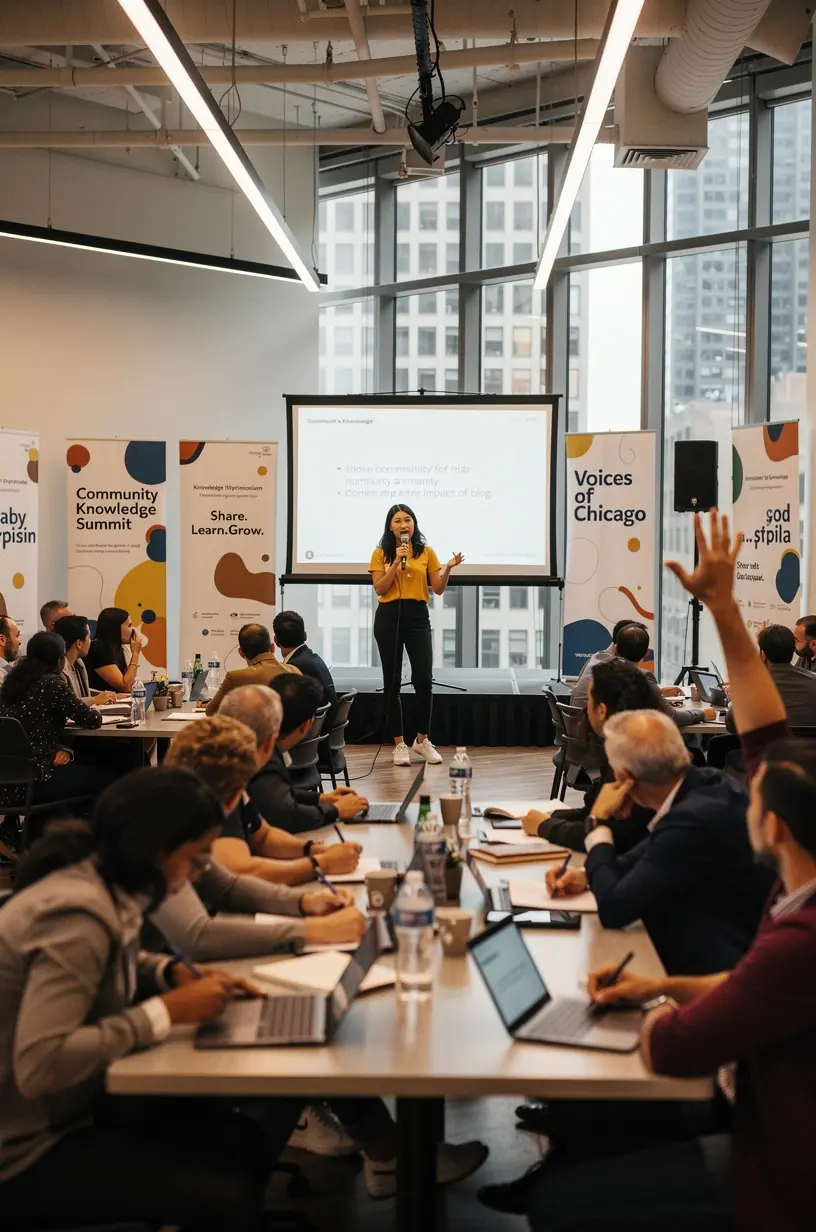
Understanding the Lifecycle of Shared Knowledge
In an era where information is abundant, understanding how shared knowledge evolves is crucial for effective communication and collaboration. This article explores the stages of knowledge sharing, the impact of community engagement, and actionable insights from real users.
Defining the Stages of Knowledge Sharing
Knowledge sharing typically consists of several key stages: creation, dissemination, utilization, and refinement. Each stage plays a vital role in transforming raw information into valuable insights.

1. Creation
In the creation stage, knowledge is generated through experiences, research, or collaboration. According to studies, effective knowledge creation often emerges from diverse teams, as varied perspectives can lead to more innovative solutions.
2. Dissemination
Once knowledge is created, it needs to be disseminated. This can involve sharing through informal networks, social media, or structured platforms. Experts recommend that disseminating knowledge regularly enhances visibility and encourages feedback, which is essential for continuous improvement.
3. Utilization
Utilization refers to the application of shared knowledge in real-world scenarios. Research shows that knowledge is most effectively utilized when users are engaged and can relate it to their contexts. Many users report that practical applications can significantly improve their understanding and retention of information.
4. Refinement
The final stage, refinement, involves revisiting and improving the shared knowledge based on feedback and new insights. This iterative process is crucial, as it allows information to remain relevant and accurate over time. Industry standards suggest that continuous refinement can help in maintaining the integrity of shared knowledge.
"The lifecycle of shared knowledge is an ongoing process that thrives on community involvement and feedback." - Knowledge Management Expert
Community Engagement: A Catalyst for Knowledge Sharing
Engagement within communities can significantly enhance the effectiveness of knowledge sharing. According to research, communities that actively participate in discussions and knowledge exchanges often experience quicker growth and innovation.
Building Trust and Relationships
Building trust is vital for effective knowledge sharing. Engaging with users through transparent communication and acknowledging contributions fosters a collaborative environment. In most cases, this can lead to greater willingness to share and utilize knowledge.
Acknowledging Limitations
While community engagement is beneficial, it requires time and effort. Effective participation typically demands consistent interaction and a commitment to learning from others. It’s important to note that not all shared knowledge will resonate with every individual; personalization is key.
Conclusion
Understanding the lifecycle of shared knowledge involves recognizing its various stages and the importance of community engagement. By actively participating in this process, individuals and organizations can enhance their knowledge base, leading to improved outcomes. Remember, the journey of shared knowledge is continuous and requires dedication, but the benefits often outweigh the efforts involved.